
Tried.Tested.Reviewed.

You want real decompression for a punished lower back, not a wobbly frame that flexes under load. We put every inversion table worth owning head to head.
After narrowing the field, these five stood out. Here is how they ranked:




Teeter delivers deeper back pain relief with a smoother, more comfortable stretch than any other inversion table.

The FitSpine backrest maximizes body slide for better spinal decompression, easing pressure right where it hurts.

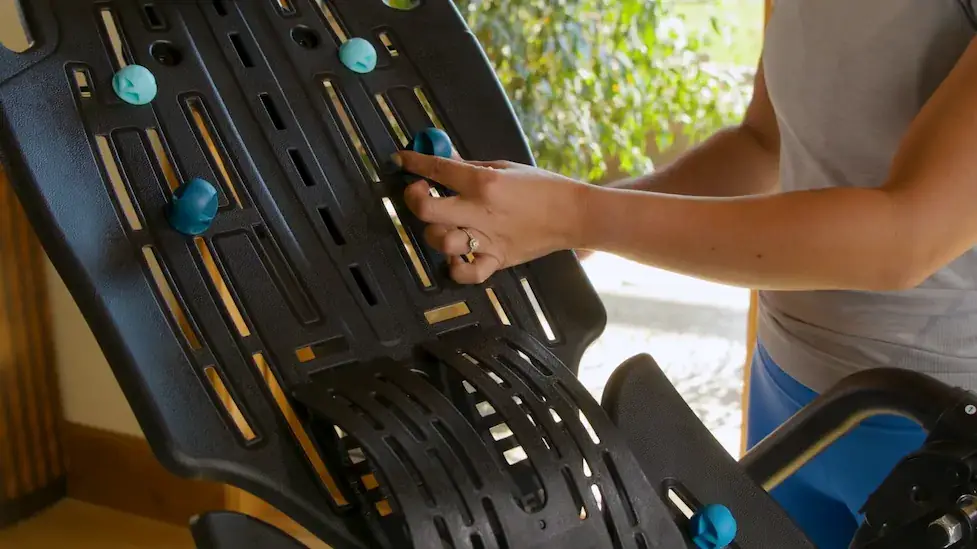
Built-in acupressure nodes and an adjustable lumbar bridge focus traction and relief on your lower back.

The EZ-Reach ankle system and boarding platform make getting in, out, and inverting simple and safe.

FDA-registered and TV-featured, Teeter's patented build and precision balance stand out for lasting durability and confidence.
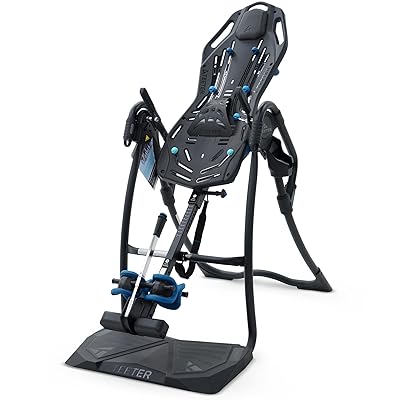
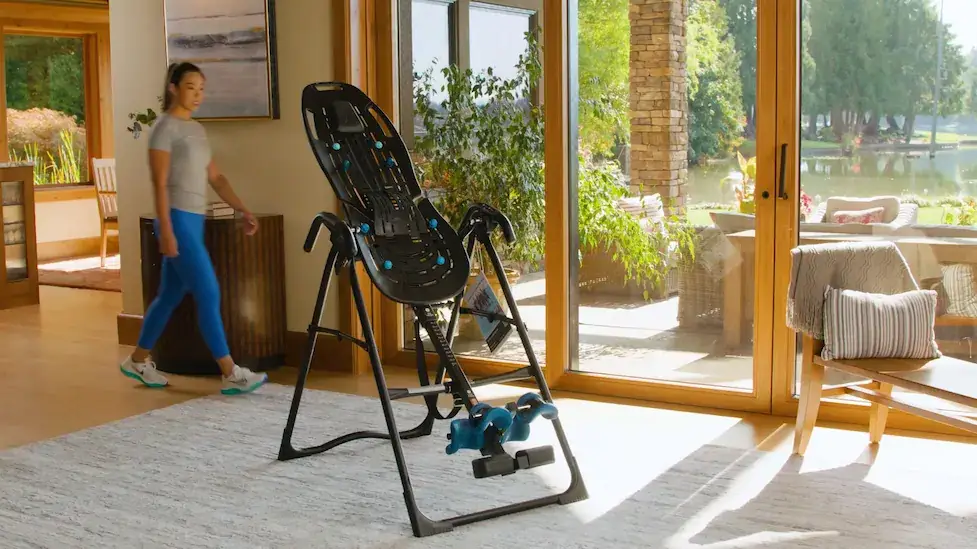
Against the two other Teeter models here plus the Harison and Innova, the FitSpine LX9 earns its spot with the details that make daily inversion something you actually keep doing. The premium touches aren't gimmicks; they solve the friction that makes cheaper tables gather dust.
The Boarding Platform with its arched frame is the feature I'd point to first, because entry and exit are where budget tables like the Innova quietly frustrate you. Combined with the EZ-Reach Ankle System and its extra-long stainless-steel handle, you barely bend forward to lock in.
The wrap-around ankle cups and easy-dial, 2-position foot platform mean your ankles aren't fighting for comfort while you invert. That secure fit is what lets your spine and shoulders finally release instead of bracing.
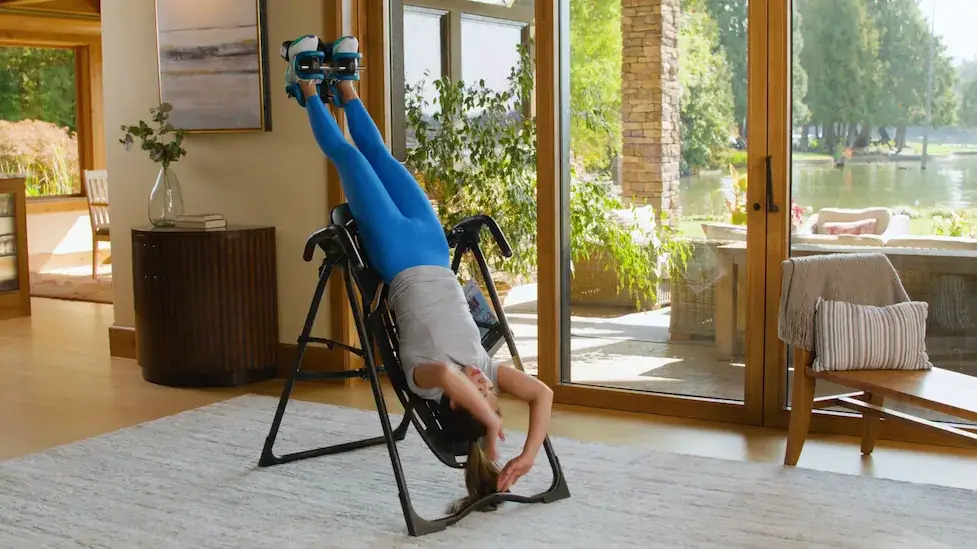
The EZ-Angle Tether has preset markings at 20, 40, and 60 degrees, so you're never guessing where you'll stop. Beginners can cap it gently; if you want full inversion, remove the tether for the optional lock-out. One caveat: assembly takes real time and patience out of the box, so set aside an afternoon.
Grip-and-Stretch Handholds, Traction Handles, and the large Stretch Max Handles give you decompression options beyond simply hanging. The adjustable Lumbar Bridge focuses traction right on the lower back where most of us need it.
Best for someone with recurring lower-back tension who wants a table they'll use for years. It ships from Amazon with free returns, so trying it costs you nothing.
Enter your email to instantly unlock today's top Amazon deals under $100—vetted by our team and updated daily.
